

Investing is often described as a way to make your money work harder. And while that can absolutely be true, investing isn’t a one-size-fits-all solution.
What works well for someone else may not suit you, because your goals, timeframe, and tolerance for risk are different.
That’s why understanding the fundamentals before you invest (and revisiting them over time) matters so much.
Whether you’re just getting started or reviewing an existing portfolio, this guide will walk you through the key things to consider before investing money, so you can make decisions that feel right for you, rather than making decisions driven by headlines, hype, or short-term market noise.
Good investing isn’t about chasing returns. It’s about making choices that align with your life.
Below are seven essential investment considerations to help you invest with more clarity, confidence, and purpose.
Table of Contents
1. Be clear on why you’re investing in the first place
2. Match your investments to the right timeframe
3. Understand investment risk - and your risk tolerance
4. Diversification isn’t optional — it’s essential
5. Don’t overlook investment fees and costs
6. Think about tax before it becomes a surprise
7. Review your investments and stay engaged
1. Be clear on why you’re investing in the first place

Every investment should have a clear purpose.
Before choosing where to invest, take a step back and ask yourself: what am I actually investing for?
Are you:
-
Building wealth for retirement?
-
Saving for a future purchase?
-
Investing for long-term goals?
-
Looking to generate income?
Each of these goals often requires a different approach.
For example, money you’re investing for a long-term goal may be invested very differently from money you expect to need in the next few years.
This is known as goal-based investing, and it’s one of the most important investing basics for beginners to understand.
When you invest based on your financial goals, you’re far more likely to stay focused, avoid emotional decisions, and stick to your plan, even when markets get bumpy.
👉 If you’re unsure how to invest based on your goals, speaking with a financial adviser can help bring clarity early on.
2. Match your investments to the right timeframe

Your investment timeframe plays a huge role in shaping how your money should be invested.
Generally speaking:
-
Short-term investments need more caution, as market ups and downs can have a bigger impact when you’ll need access to your money sooner.
-
Long-term investments usually have more flexibility to ride out market volatility and focus on growth over time.
Understanding the difference between short-term vs long-term investing strategies helps you choose investments that fit your needs, rather than forcing your goals to fit the market.
It’s also important to remember that timeframes change. As your goals get closer, your investment strategy may need to evolve too. That’s why regular reviews matter.
3. Understand investment risk — and your risk tolerance
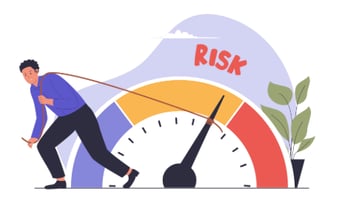
All investing involves risk. There’s no way around it (although, there are ways you can minimise investment risk).
Higher-risk investments may offer higher potential returns, but they usually come with more volatility or reduced liquidity. Lower-risk investments tend to be more stable, but returns are often more modest.
What really matters is your personal risk tolerance.
Understanding investment risk tolerance is about asking yourself how you’d genuinely feel if your investments fell in value, even temporarily.
Being comfortable with risk on paper is one thing. Experiencing market movements in real life can feel very different.
When you choose investments based on your risk tolerance, you’re more likely to stay invested during uncertain periods and avoid making emotional decisions at the wrong time.
4. Diversification isn’t optional — it’s essential

Diversification means spreading your money across different asset classes, sectors, and regions rather than relying on one investment to do all the heavy lifting.
Why does diversification matter?
Because investments don’t all perform the same way at the same time. When one area struggles, another may hold steady or perform well.
A well-diversified investment portfolio can help:
-
Reduce risk
-
Smooth returns over time
-
Offer resilience in your portfolio, even during periods of market downturns
While diversification doesn’t eliminate risk or guarantee returns, it plays a key role in managing risk over the long term.
Choosing Investment Options: How to Split Your Investments for Success
5. Don’t overlook investment fees and costs

Investment fees are easy to ignore, but they matter more than many people realise.
Management fees, transaction costs, and other expenses all reduce your net return. And even small differences in fees can compound over time.
Understanding how much you’re paying, what those fees cover and how fees affect investment returns is a crucial part of making informed decisions.
Keeping an eye on costs doesn’t mean choosing the cheapest option every time. It means making sure you’re getting value for what you’re paying.
6. Think about tax before it becomes a surprise

Tax is one of the most overlooked investment considerations and one of the most important.
Different investments are taxed in different ways, and the timing of buying or selling assets can affect the amount of tax you pay. This includes things like capital gains tax and income tax on investments.
Understanding the tax implications of investing doesn’t mean making decisions purely for tax reasons. It simply means factoring tax into the bigger picture.
A tax-aware investment strategy helps you avoid surprises and keeps more of your returns working for you.
7. Review your investments and stay engaged

Investing isn’t a “set and forget” exercise.
Life changes. Goals evolve. Markets move.
Regularly reviewing your investment portfolio helps ensure your strategy still aligns with your:
-
Goals
-
Timeframe
-
Risk tolerance
Staying engaged doesn’t mean reacting to every market movement. It means checking in periodically, making thoughtful adjustments when needed, and keeping a long-term perspective.
Bringing it all together
Successful investing isn’t just about choosing the right assets.
It’s about understanding why you’re investing, how long you’re investing for, and how much risk you’re comfortable taking along the way.
When you take a thoughtful, informed approach, investing feels less overwhelming and far more manageable.
The best investment strategy is one you can stick with.
If you’d like support getting started or reviewing your investments, speaking with a financial adviser can help bring structure and confidence to your decisions.
Contact one of our advisers at Strategy First Financial Planning to see how we can help you invest with clarity and purpose.
Read On:
The information provided is factual only, and does not constitute financial advice. If you need to speak with a Financial Adviser before making a decision, you can contact us via the button below.


Leave a Comment